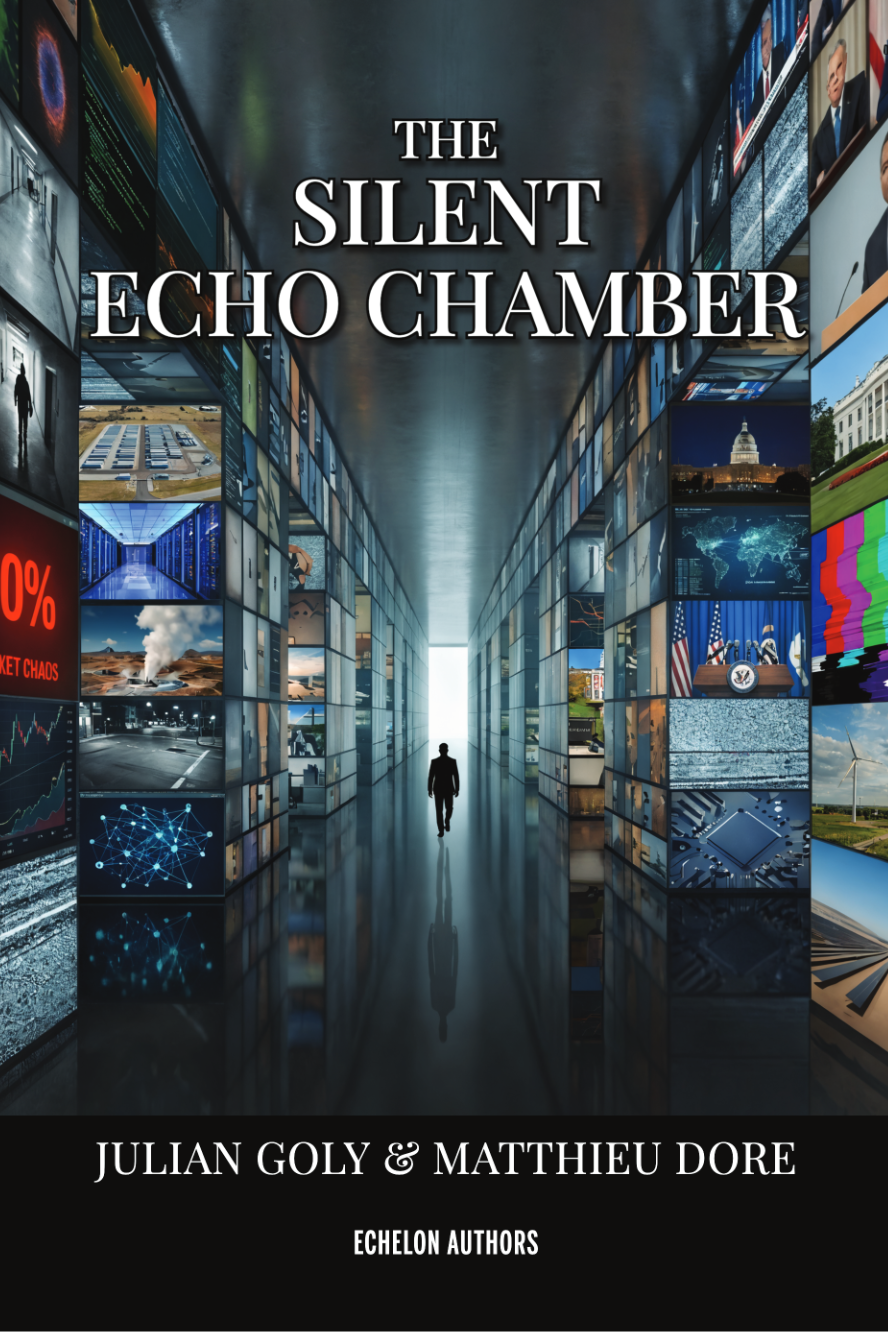
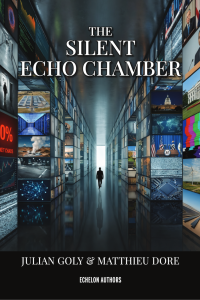
The stories aren’t censored. They’re published, indexed — and never read.
Maya Singh reports on who pays for the national electric grid. It isn’t work that attracts attention, which is why it took her two months to see the pattern: every piece she files on infrastructure cost allocation climbs for a few minutes, then flattens. Not a decline — a flatline, to the second, across platforms with no reason to behave alike. Fifteen stories. Two months. Something upstream is deciding what the country doesn’t notice.
The money is in plain sight. Hyperscale data centers draw load the grid was never built to carry. The upgrades get rate-based across every household on the system. The filings call it resilience. Nobody is hiding any of it. They are simply making sure no one reads it.
Two legislators have found the same silence from the other side. Congressman Richard Wright and Senator Rachel Green have spent their nights drafting something neither chamber would let them introduce — fifteen sections engineered to survive every method Washington uses to kill what the country actually wants. Term limits. Campaign finance. Cost allocation. A renewal trigger.
Then, on a dark January morning, the full thirty-five-page document lands on Maya’s desk. No letterhead. No title. Nothing resembling an author.
Some bills die in committee. This one was built in the dark to survive the daylight — and the only way it passes is for the people who wrote it to disappear from it entirely.
What is 347,513,428 plus one?